Europe
Updated
What it is
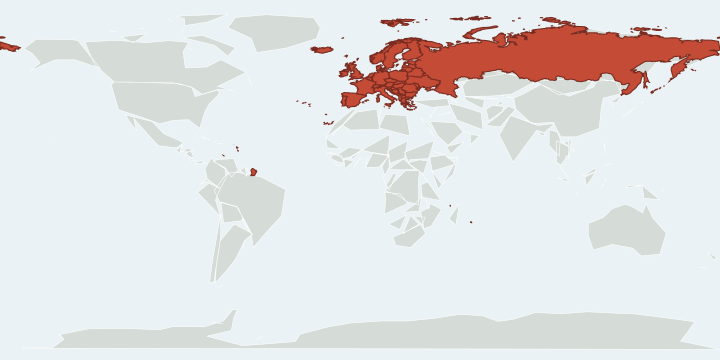
Europe here refers to the European economies, particularly the euro area and broader EU, which are major importers of natural gas, grain, and fertilizer and have been repeatedly exposed to supply shocks from the Ukraine war and, in 2026, the Iran war. The region's economic outlook is shaped by energy prices, ECB monetary policy, and rising defense spending commitments.
Why it matters lately
After natural gas prices fell from over €300/MWh (2022 peak) to under €30/MWh entering 2026, the U.S. and Israeli attacks on Iran triggered a renewed energy-price surge that hit Europe harder than other major developed economies, with gas prices more than doubling before settling near €42/MWh by late June 2026. EU states committed over €10 billion to shield consumers and businesses from the energy shock, Bruegel estimated, while pressure from the U.S. and perceived Russian threat has simultaneously pushed European defense spending higher, straining fiscal deficits and debt trajectories.
Asymmetric Analytics view
Inference (AA): Europe is the developed-market region most exposed to the 2026 Iran-war energy shock, making its fiscal and inflation trajectory a key leading indicator for AA's European sovereign and currency views.