Red Sea
Updated
What it is
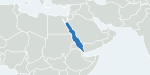
The Red Sea is the sea between northeast Africa and the Arabian Peninsula, connecting to the Mediterranean via the Suez Canal in the north and to the Indian Ocean via the Bab el-Mandeb Strait in the south. The Suez-Red Sea corridor normally carries a large share of world seaborne trade and lets Europe-Asia shipping avoid the much longer Cape of Good Hope route, saving roughly 4,000 miles.
Why it matters lately
Houthi forces resumed attacks on Red Sea shipping on July 22, 2026 after a nine-month pause, striking at least four oil tankers and directly targeting Saudi Arabia; in mid-September 2026 they seized Mocha and Perim Island, gaining positions overlooking the Bab el-Mandeb chokepoint. A drone strike also knocked out Saudi Arabia's East-West pipeline (4-5 million barrels a day) around the same time, compounding the squeeze alongside the Strait of Hormuz closure; the Red Sea has also served as the outlet for Saudi Arabia's pipeline bypass of Hormuz, with crude exports from the Red Sea port of Yanbu rising toward about 5 million barrels a day by late March 2026.
Asymmetric Analytics view
Inference (AA): The Red Sea is both a global shipping chokepoint under Houthi pressure and Saudi Arabia's main escape valve for oil exports when Hormuz is blocked, making it a pivot point for oil-price and shipping-cost nodes.