Qatar Offers a Path to Peace. Iran Warns the Next War Will Have No Boundaries.
By Asymmetric Analytics
Analysis
Qatari mediators met Iranian negotiators in Doha on Saturday, October 31, after more than twelve hours of discussions in Tehran the previous day. The goal is to revive diplomacy between the United States and Iran before a possible new round of fighting after the November 3 American midterm elections. At the same time, Iran's supreme leader warned its armed forces to prepare an immediate response to renewed attacks without geographic restrictions.
The diplomatic opening is real. A negotiated settlement is not. The proximity of the talks to renewed military threats makes the order of concessions unusually consequential.
The proposal—and the obstacle
Reuters reports that Qatar has proposed a seven-day confidence-building framework and remained in regular contact with Washington. Axios reports that mediators are seeking reciprocal steps toward new talks over Iran's nuclear program and related disputes.
The obstacle is not a lack of subjects to negotiate. It is who moves first.
Washington seeks nuclear concessions, including renewed international access to Iranian nuclear sites. Tehran wants the United States to begin removing its naval blockade, unfreeze funds and permit oil exports before agreeing to the next steps. Each side fears giving up its strongest leverage without obtaining a reliable concession in return.
Iran's foreign minister, Abbas Araghchi, has said a fresh proposal discussed with intermediaries could permit the Strait of Hormuz to reopen fully in two days, according to Associated Press . That is a proposed outcome, not a confirmed reopening. A direct US–Iran negotiating session has not been confirmed.
Iran raises the price of another strike
Supreme Leader Mojtaba Khamenei called for preparations to retaliate immediately and without geographic limits if Iran is attacked, according to Reuters and AP .
This is a deterrence message aimed at the assumption that a new American or Israeli attack could be short, narrowly contained and inexpensive to regional partners. It does not establish that every threatened Iranian response is feasible or will occur.
Axios reports that Tehran has threatened Gulf oil and gas facilities if its own energy infrastructure is attacked. Saudi Arabia, Qatar and neighboring exporters therefore face risks even if they are not the countries initiating a new round of strikes.
The causal chain: Hormuz turns a regional war into a global cost
The Strait of Hormuz links Gulf energy producers to the Indian Ocean and the Asian and European markets they supply. Persistent military risk can disrupt commercial passage even without destroying every ship or port.
The transmission mechanism is: renewed strikes → wider retaliation and shipping threats → insurance and transport disruption → tighter delivered energy supplies → pressure on fuel prices, industrial costs and inflation.
That is a risk pathway, not a statement that each link has already occurred. It explains why regional governments are trying to broker a deal: the collateral economic costs of a new escalation would fall on exporters, importers and consumers far beyond the principal combatants.
What would make a breakthrough credible?
The meaningful signal would be a verifiable sequence of reciprocal actions: agreed nuclear inspection steps, a specified degree of American blockade or sanctions relief, and observable restoration of safer Hormuz transit.
A press statement describing positive talks is not sufficient. Nor is the reported possibility of an American operation after November 3 a confirmed strike order or date.
The immediate test is whether Washington and Tehran can agree on the first move without either treating that move as unilateral surrender. A workable sequence would reduce the global energy premium attached to the conflict. Another military escalation could instead demonstrate how difficult it is to keep even a short campaign confined to its intended targets.
What we're watching
A jointly acknowledged framework specifying the order of nuclear, sanctions and shipping commitments.
Reports from independent maritime monitors that Hormuz transit has actually improved.
Any confirmed new US or Israeli strike orders, or additional Iranian target warnings.
A shift from indirect mediation to authorized negotiations between the parties.
Sources
Reuters, October 31: Iranian envoys meet Qatari mediators .
Associated Press, October 31: Iranian military warning and Hormuz proposal .
Axios, October 31: Qatar's marathon mediation talks .
Axios, October 31: Iran's supreme leader's military instructions .
Places in this story
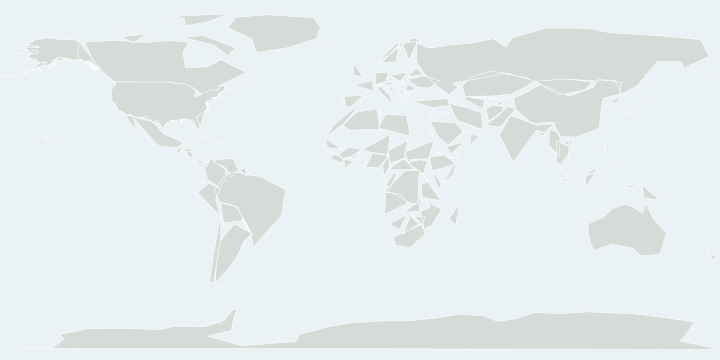



Iran, Qatar, United States
Made with Natural Earth